The Commercial Game-Room Buying Guide
A commercial buyer's perspective — the trade-offs and what we'd spec for a busy floor.
- Start with the audience and the floor
- Build a balanced mix
- Plan supply, install and service as one job
Outfitting a commercial game room is a floor-planning and cash-flow decision, not a shopping trip. The goal is a mix of equipment that keeps patrons in the room longer and pays for itself — chosen for your specific audience and space.
Start with the audience and the floor
A sports bar, a family entertainment center, a hotel lobby and a corporate break room want completely different rooms. Decide who's playing and how long you want them to stay, then work backward to the equipment. Measure the space and mark clearances before you pick a single table.
The most common mistake is buying the equipment first and discovering it doesn't fit or doesn't match the crowd.
Build a balanced mix
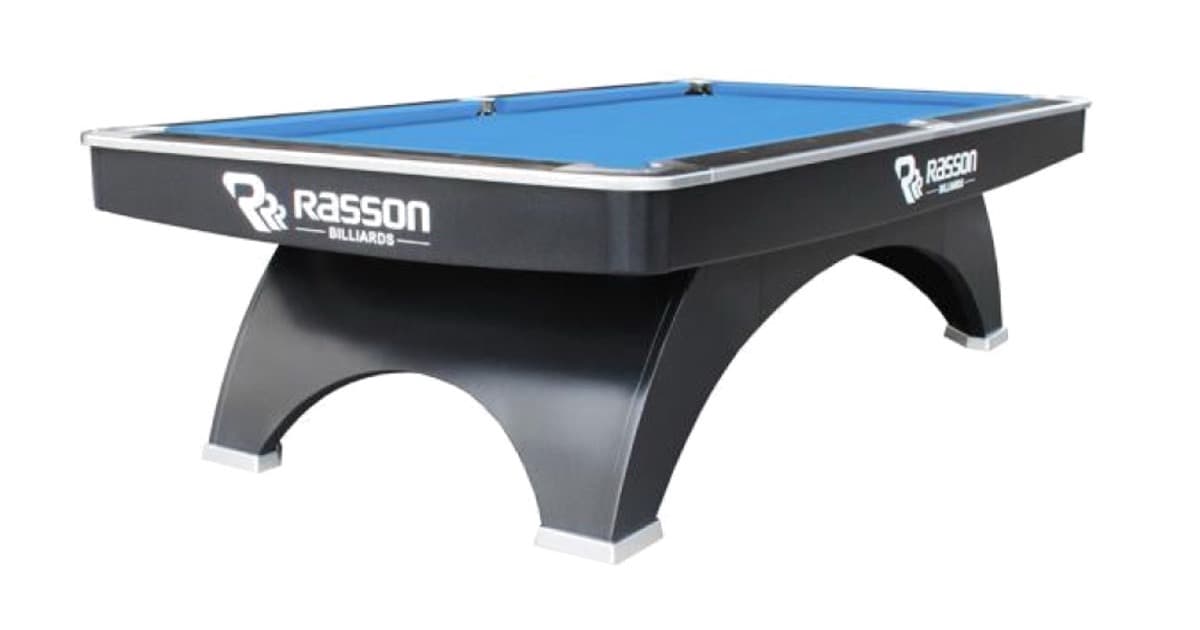
A strong room usually pairs an anchor (pool, shuffleboard) with quick-turn social games (foosball, air hockey, darts) and, where it fits the model, coin-op or amusement pieces that generate revenue directly. Balance high-skill draws with easy pick-up-and-play options so nobody's left standing around.
Leave room to grow — a floor plan that can absorb another table or cabinet later is worth more than one packed to the walls on day one.
Plan supply, install and service as one job
The equipment is only half the project. Freight, installation, leveling and ongoing service determine whether the room actually plays. Working with one supplier for the whole room means the spec, the delivery and the maintenance all line up — and one number to approve.
Send your venue type, space and budget range and we'll build a recommended room, itemized supply-freight-install, in one business day.
Ready to spec your room?
A commercial specialist replies in one business day.